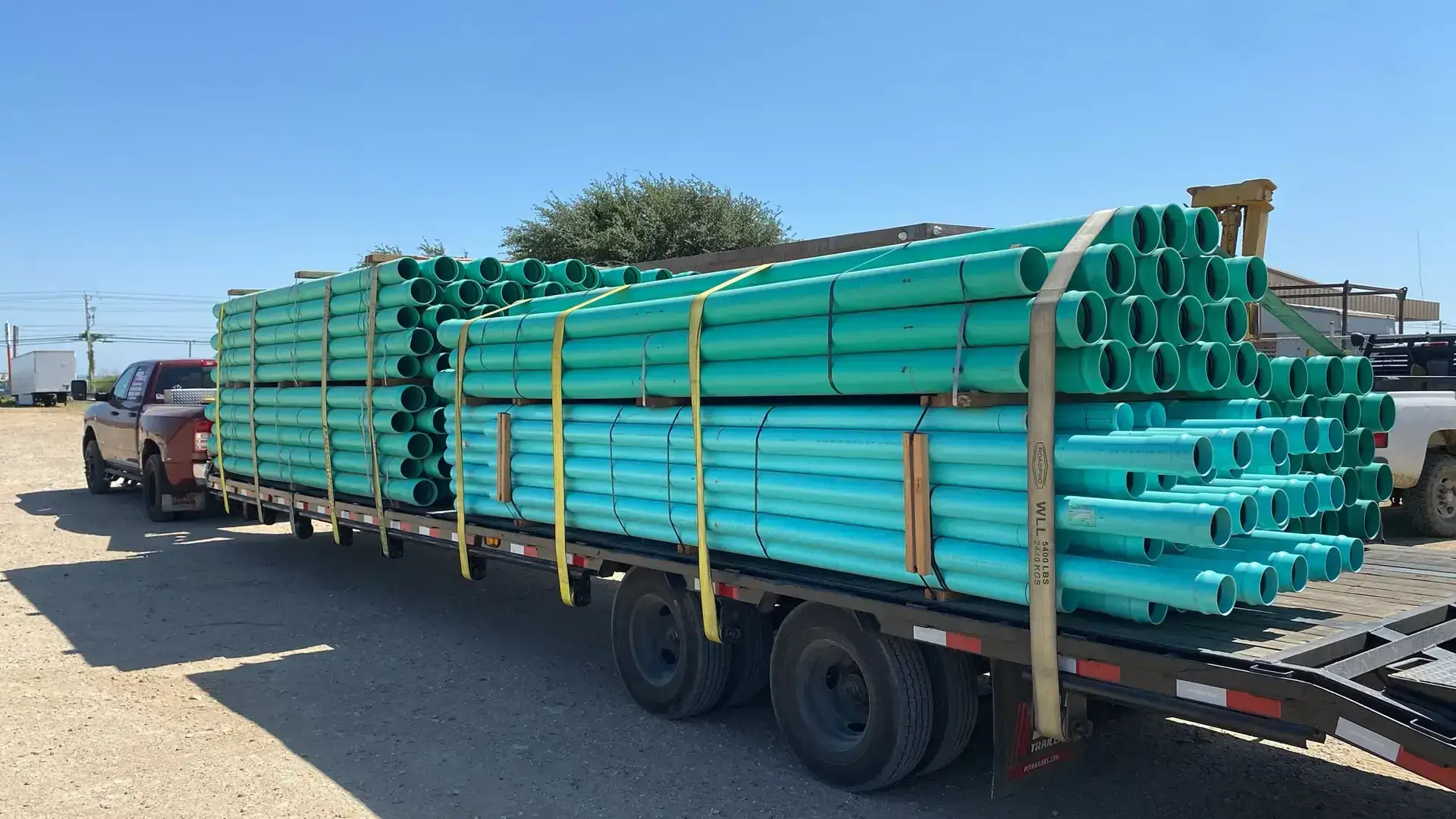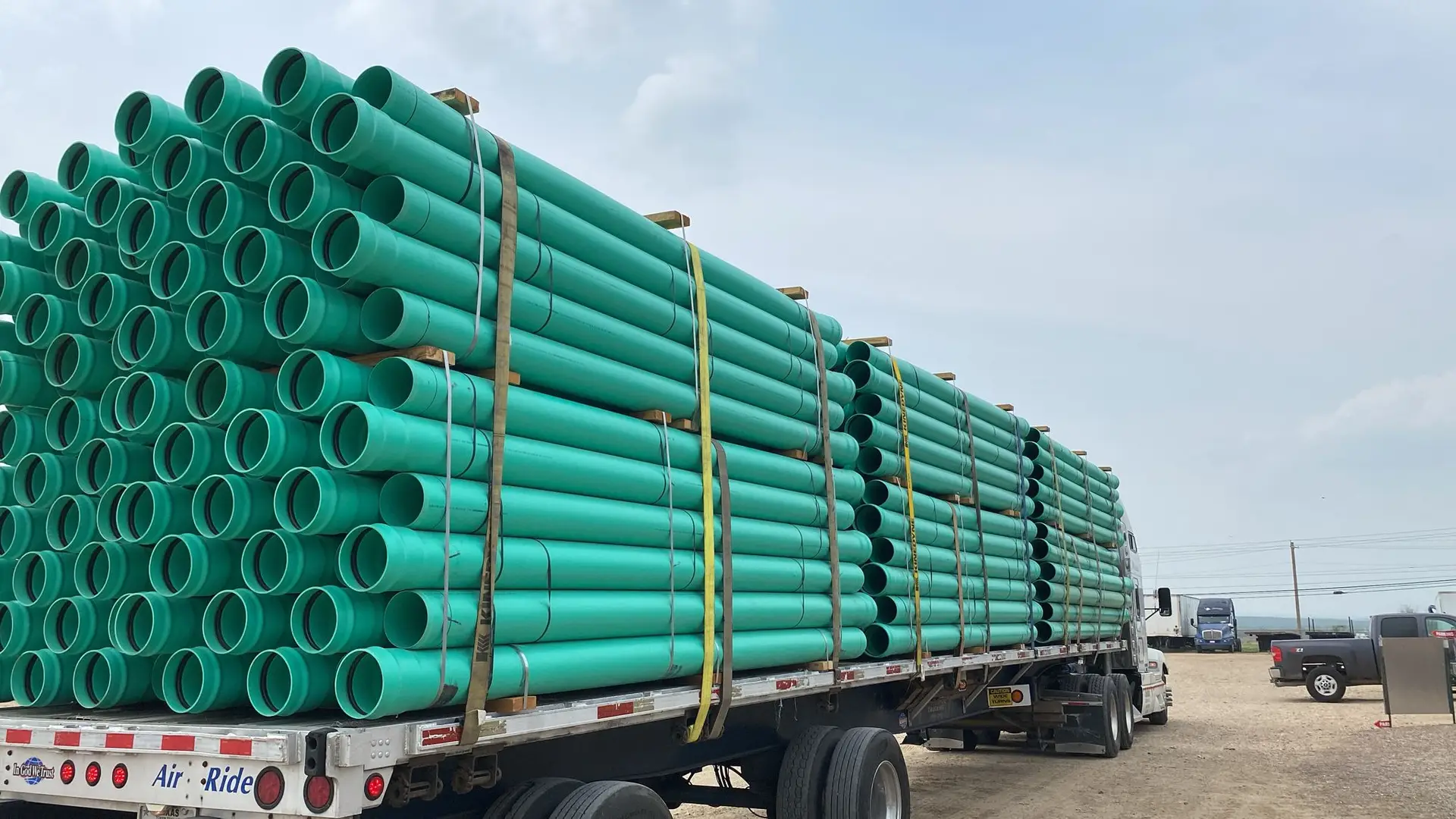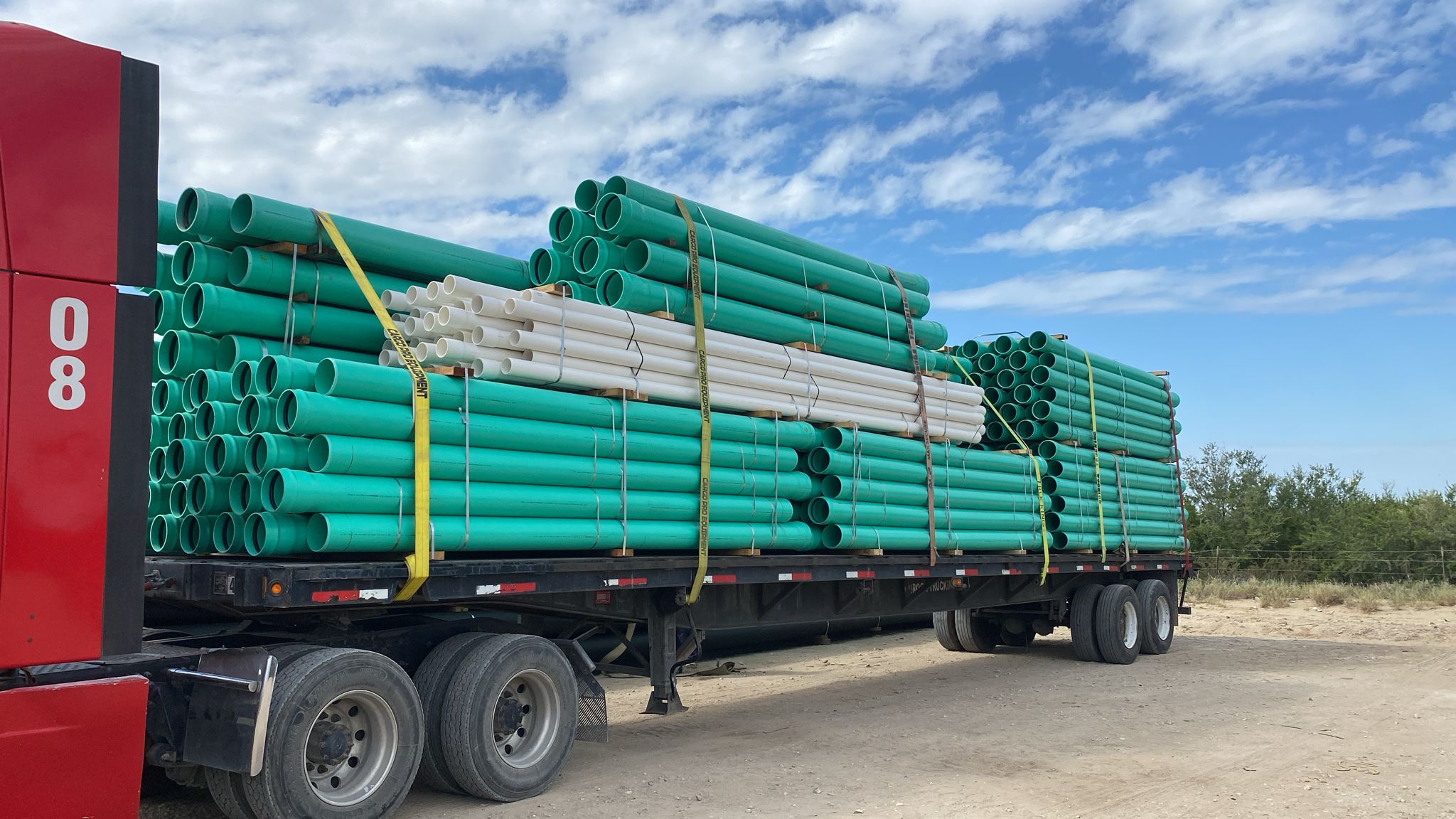


Choosing the correct piping material is one of the most important decisions in construction, irrigation, plumbing, and infrastructure projects. Contractors frequently compare Schedule 40 vs Schedule 80 PVC pipe when selecting materials for systems that require durability, pressure resistance, and long-term reliability.
PVC pipe is widely used across the United States due to its corrosion resistance, long lifespan, and ease of installation. However, different schedules of PVC pipe are designed for different pressure capacities and project environments.
Understanding the difference between Schedule 40 and Schedule 80 PVC pipe helps contractors choose the correct material for each application while ensuring system performance and safety.
Schedule 40 vs Schedule 80 PVC Pipe: Understanding PVC Pipe Schedules
The term “schedule” refers to the wall thickness of a pipe. While both Schedule 40 and Schedule 80 pipes have the same outside diameter, the wall thickness differs significantly.
Schedule 80 PVC pipe has thicker walls, which allows it to handle higher pressure ratings compared to Schedule 40 pipe. This additional thickness increases durability and strength but also reduces the internal diameter slightly.
According to the Plastic Pipe Institute, PVC piping systems are commonly used in municipal water systems, irrigation infrastructure, and industrial piping due to their strength and resistance to corrosion.
Schedule 40 vs Schedule 80 PVC Pipe: Key Structural Differences
Although both pipe types are made from polyvinyl chloride (PVC), they differ in several key structural characteristics.
Wall Thickness
Schedule 80 PVC pipe has significantly thicker walls compared to Schedule 40 pipe. This added material increases pressure tolerance and durability.
Pressure Ratings
Due to the thicker wall structure, Schedule 80 pipe typically supports higher pressure ratings than Schedule 40 pipe of the same diameter.
Flow Capacity
Because the walls are thicker, Schedule 80 pipe has a slightly smaller internal diameter, which can reduce flow capacity compared to Schedule 40.
Cost Differences
Schedule 80 pipe generally costs more due to additional material and manufacturing requirements.
Schedule 40 vs Schedule 80 PVC Pipe: Common Applications
Both Schedule 40 and Schedule 80 PVC pipes are widely used across many industries. However, the choice depends on the operating pressure and environmental conditions.
Schedule 40 PVC Applications
- Irrigation systems
- Residential plumbing
- Drainage systems
- Swimming pool plumbing
- Low-pressure water distribution
Schedule 40 PVC is one of the most commonly used pipe materials because it provides excellent durability while remaining cost-effective for large installations.Schedule 80 PVC Applications
- Industrial piping systems
- Chemical processing facilities
- High-pressure water systems
- Commercial plumbing
- Manufacturing facilities
In environments where higher pressure or mechanical stress is present, Schedule 80 pipe offers increased safety and longevity.
Schedule 40 vs Schedule 80 PVC Pipe: Pressure Ratings Explained
Pressure rating is one of the most important factors when choosing between Schedule 40 and Schedule 80 pipe.
The pressure rating depends on several factors including pipe diameter, temperature, and installation conditions.
The Engineering Toolbox provides reference charts that show pressure ratings for various PVC pipe sizes.
Generally speaking:
- Schedule 40 pipe handles moderate pressure applications
- Schedule 80 pipe is designed for higher pressure environments
Contractors must evaluate system requirements carefully before selecting pipe schedules.
Schedule 40 vs Schedule 80 PVC Pipe: Durability and Longevity
PVC piping systems are known for their long lifespan and resistance to environmental damage. Unlike metal piping systems, PVC does not corrode or rust.
Both Schedule 40 and Schedule 80 pipes can last for decades when properly installed.
According to research referenced by the American Water Works Association, properly installed PVC water infrastructure can perform reliably for more than 100 years in many applications.
This durability makes PVC pipe one of the most cost-effective solutions for infrastructure and utility systems.
Schedule 40 vs Schedule 80 PVC Pipe: Installation Considerations
Installation requirements for Schedule 40 and Schedule 80 pipe are generally similar. Both types typically use solvent welding or threaded fittings depending on the application.
However, contractors should consider several factors during installation:
- Proper pipe support and alignment
- Temperature effects on pressure ratings
- Correct solvent cement usage
- Pipe expansion and contraction
Following manufacturer specifications ensures long-term system performance.
Schedule 40 vs Schedule 80 PVC Pipe: Choosing the Right Pipe for Your Project
The decision between Schedule 40 and Schedule 80 pipe ultimately depends on the specific requirements of the project.
Contractors should evaluate:
- Operating pressure levels
- Environmental conditions
- Cost considerations
- Local building codes
- Long-term durability requirements
For many irrigation and residential systems, Schedule 40 provides an ideal balance of cost and durability. For industrial or high-pressure applications, Schedule 80 pipe often offers better long-term performance.
Reliable PVC Pipe Supply for Contractors
Having access to a dependable supplier is essential for contractors managing construction and infrastructure projects. Reliable inventory and consistent product quality help prevent project delays and ensure system performance.
GP Distributors provides contractors, municipalities, and industrial companies with high-quality piping materials including:
- PVC pipe
- HDPE pipe
- PVC fittings
- industrial piping accessories
With distribution capabilities across Texas and surrounding states, GP Distributors helps contractors secure the materials they need to complete projects efficiently.