
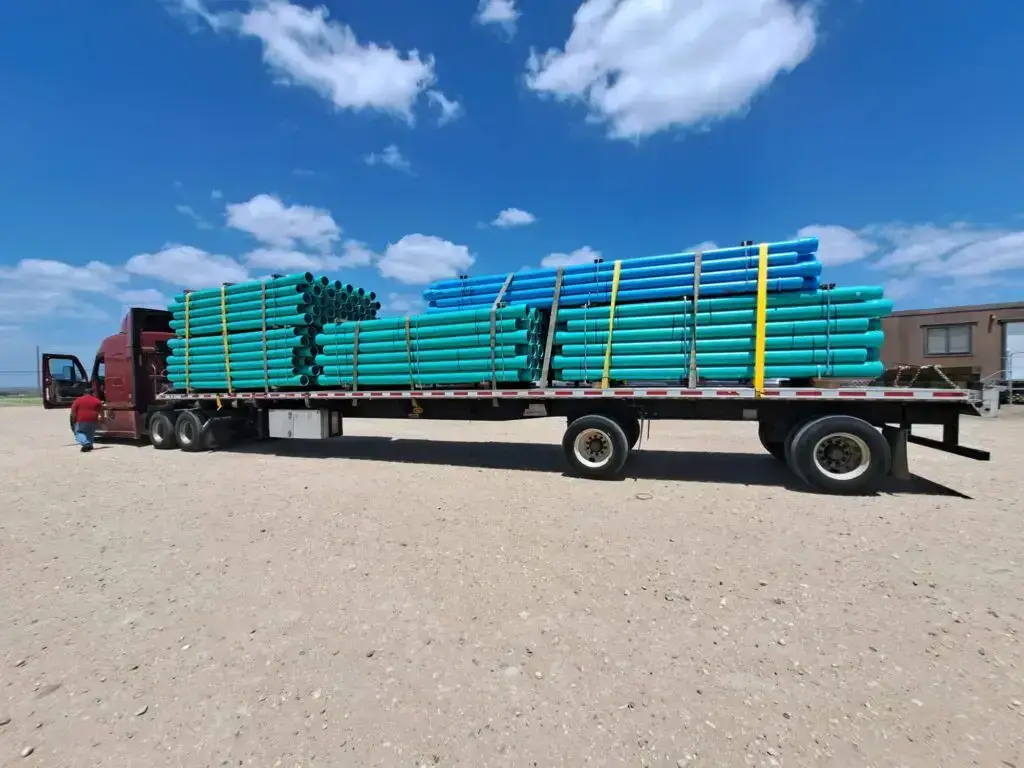
Plastic Pipeline Design Considerations: PVC & HDPE Best Practices for Long-Lasting Infrastructure
Designing a plastic pipeline system requires careful attention to material selection, pressure ratings, installation conditions, and long-term performance. Whether you’re planning a municipal water project, agricultural irrigation network, industrial fluid conveyance, or commercial drainage system, understanding key plastic pipeline design considerations helps you avoid costly mistakes, ensure compliance, and optimize your system for durability and efficiency.
At GP Distributors USA, we’re committed to supplying high-quality PVC and HDPE pipe solutions that meet rigorous specifications and industry standards, helping contractors and engineers make smarter decisions from the earliest planning stages through installation and maintenance.:contentReference[oaicite:0]{index=0}
In this guide, we’ll walk through essential factors that influence pipeline design and performance — from choosing the right pipe material to understanding pressure classes, soil conditions, thermal effects, installation best practices, and maintenance strategies.
1. Choosing the Right Pipe Material: PVC vs. HDPE
One of the most critical decisions in pipeline design is selecting the right material. PVC (Polyvinyl Chloride) and HDPE (High-Density Polyethylene) are the two most popular plastic pipe materials, each with unique strengths and appropriate applications.
What Makes PVC Suitable?
PVC pipe is known for being:
- Lightweight and easy to handle
- Cost-effective for many fluid conveyance systems
- Corrosion-resistant and chemically stable
- Available in multiple schedules (e.g., SCH 40, SCH 80) and pressure classes
This makes PVC a strong choice for:
- Residential plumbing
- Irrigation systems
- Sewer and drainage applications
- Municipal water distribution (with proper pressure class selection)
:contentReference[oaicite:1]{index=1}
Why HDPE Is Often Preferred for High-Demand Projects
HDPE pipe offers several advantages, especially in demanding environments:
- Flexibility — adapts to soil movement without cracking
- Long service life (often 50–100 years)
- Leak-free joints through heat fusion
- Exceptional resistance to chemicals and environmental stress
These qualities make HDPE ideal for:
- Municipal water and sewer systems
- Agricultural irrigation
- Oil & gas applications
- Industrial fluid transport
:contentReference[oaicite:2]{index=2}
In many plastic pipeline designs, the choice between PVC and HDPE depends on the project’s fluid type, expected pressures, installation conditions, and long-term performance requirements.
2. Pressure Ratings and Performance Expectations
A key plastic pipeline design consideration is understanding how pressure affects material performance. Pressure ratings dictate the maximum safe operating pressure a pipe system can handle without failure.
For PVC, pressure ratings typically depend on:
- Schedule (e.g., SCH 40, SCH 80)
- Class rating (e.g., Class 125, Class 200, Class 315)
:contentReference[oaicite:3]{index=3}
For HDPE, the rating is usually based on dimension ratio (DR) — the ratio of pipe diameter to wall thickness. Lower DR numbers mean thicker walls and higher pressure ratings.:contentReference[oaicite:4]{index=4}
When designing pipelines, engineers must ensure that pressure classes align with expected operating conditions, including surge pressures, pump head, and environmental influences such as temperature. Mistaking pressure ratings for burst strength, or ignoring temperature derating, can lead to premature failure.
3. Thermal Expansion and Temperature Effects
Both PVC and HDPE expand and contract with temperature changes. Effective plastic pipeline design considers:
- Seasonal temperature fluctuations
- Sun exposure for above-ground pipe runs
- Thermal expansion allowances in installation plans
If expansion is not accommodated, the stresses can create joint leaks, buckling, or accelerated wear. For example, PVC can see reduced pressure capacity at elevated temperatures, making it vital to match pipe selection with expected thermal conditions.:contentReference[oaicite:5]{index=5}
4. Soil Conditions and Load Bearing Requirements
The soil in which a pipeline is installed greatly influences its long-term performance. Soil characteristics — including compaction, moisture content, and type (clay, sand, rock) — affect load distribution and support.
For buried systems, trench design must allow for proper bedding and backfill. Engineers need to factor in:
- Minimum bedding support to prevent deflection
- Backfill compaction around the pipe
- External loads such as traffic or heavy equipment
Poor soil conditions or inadequate bedding can lead to deflection, joint strain, and early failure. HDPE’s flexibility often performs better under differential soil movement, whereas PVC’s rigidity requires more controlled bedding environments.
5. Jointing Methods: Fused vs. Gasketed Connections
Pipeline joints are critical to system integrity. Two common jointing methods are:
- Heat-Fused Joints — common in HDPE systems, creating leak-free, monolithic connections
- Gasketed or Solvent-Welded Joints — typical for PVC, offering ease of assembly and flexibility in configuration
Heat fusion eliminates leak pathways, which is why HDPE is often preferred for water and sewer systems where joint failure is catastrophic. PVC’s gasketed systems are easier to install and repair but must be assembled precisely to prevent leaks and joint displacement.
6. Corrosion Resistance and Chemical Compatibility
Plastic pipelines are widely chosen for their corrosion resistance, a significant advantage over metals like ductile iron or steel. However, material selection still matters when considering compatibility with transported fluids and environmental conditions.
PVC doesn’t corrode and resists many common chemicals, making it ideal for potable water, sewage, and many industrial applications. HDPE’s chemical resistance is even broader, allowing it to handle aggressive fluids, fuels, and industrial waste streams without degradation.:contentReference[oaicite:6]{index=6}
Matching the right material to the intended fluid and service environment ensures longevity and minimizes maintenance costs.
7. Project Scale and Logistics Planning
Another plastic pipeline design consideration is project logistics. Piping projects vary from small residential jobs to multi-mile municipal systems. Each scale brings challenges:
- Large projects require inventory planning, staging areas, and delivery scheduling
- Smaller projects must still balance material availability with timeline constraints
- Contractors must plan crane access, pipe handling, and trained crews for efficient installation
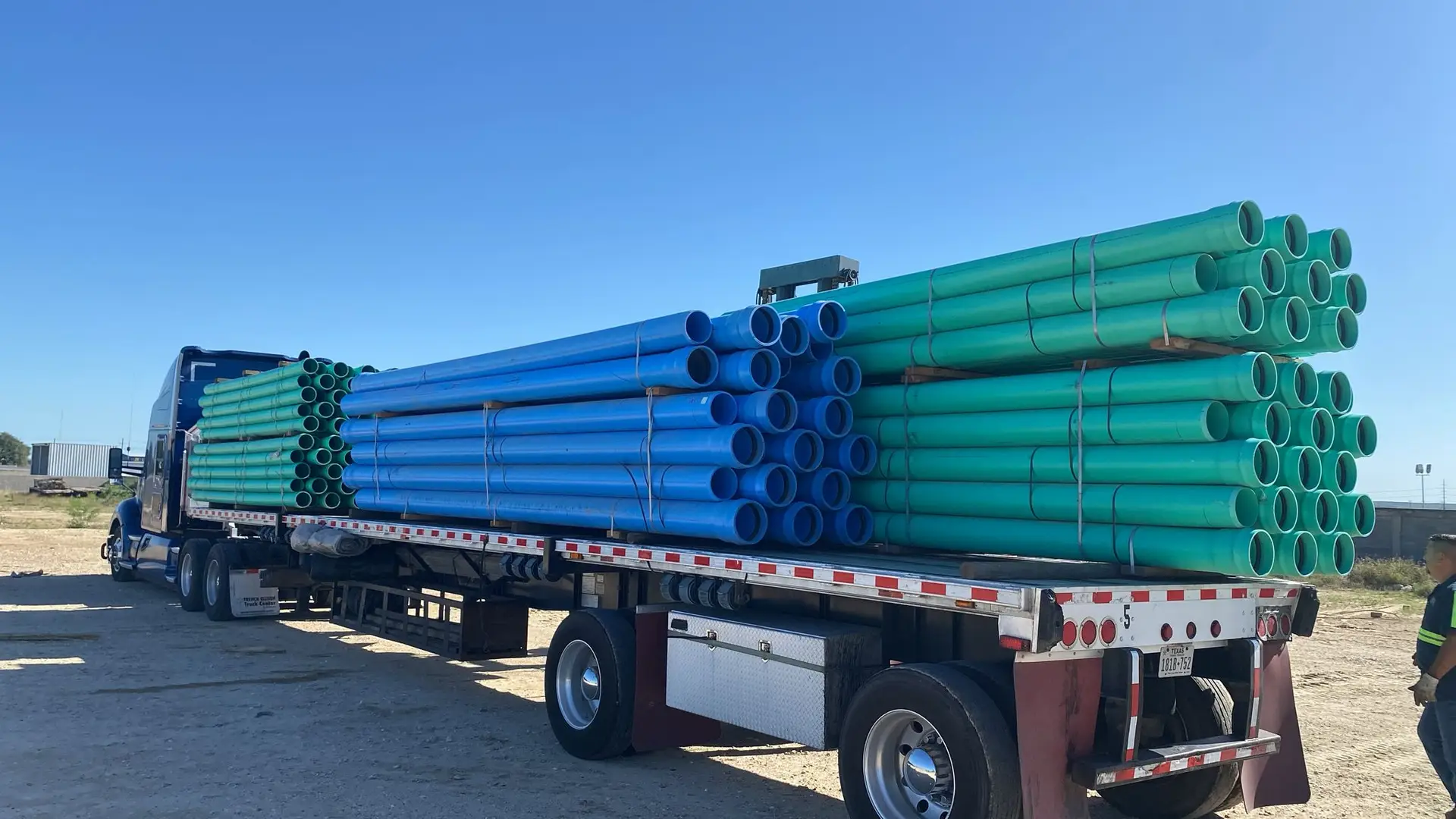
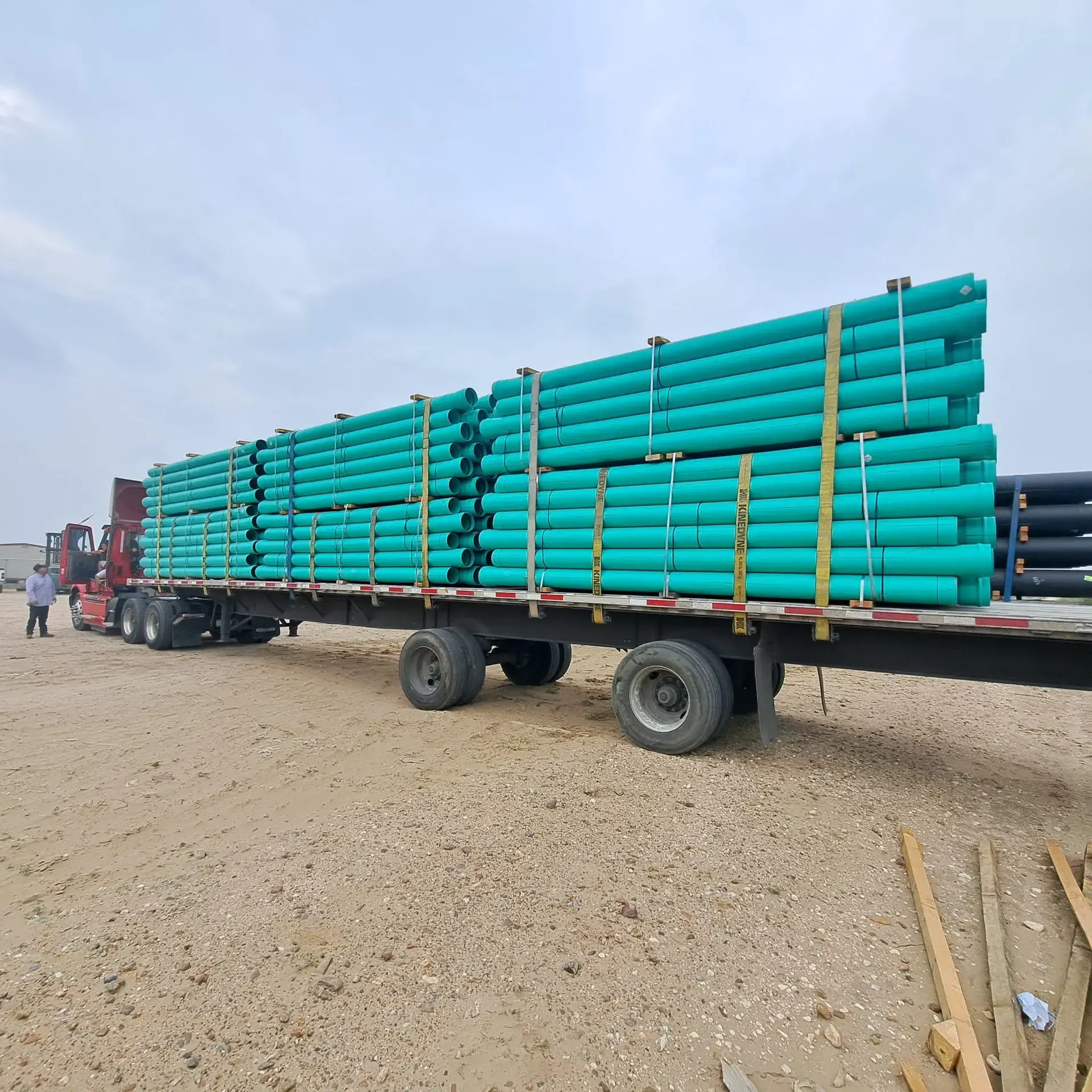
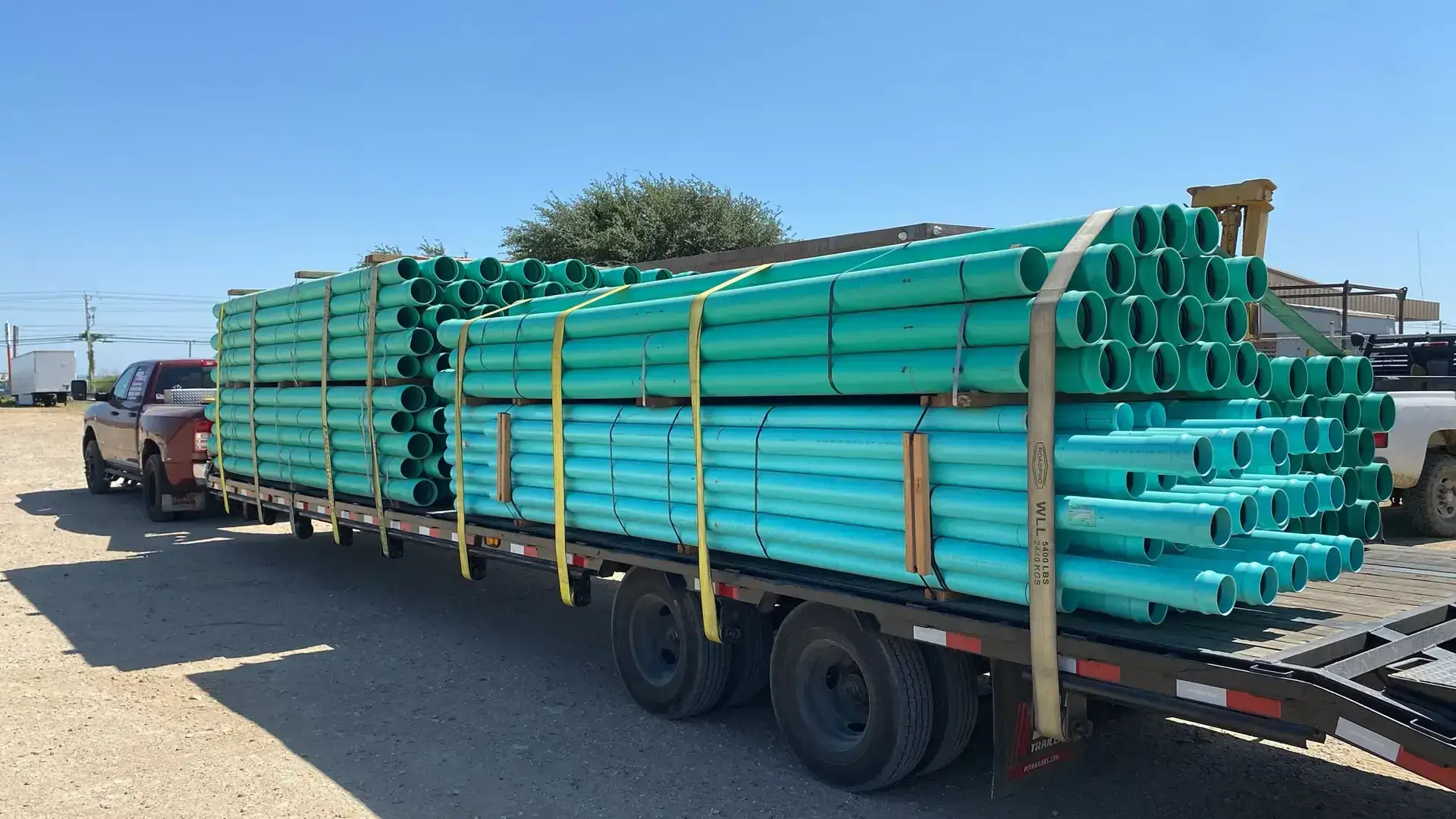
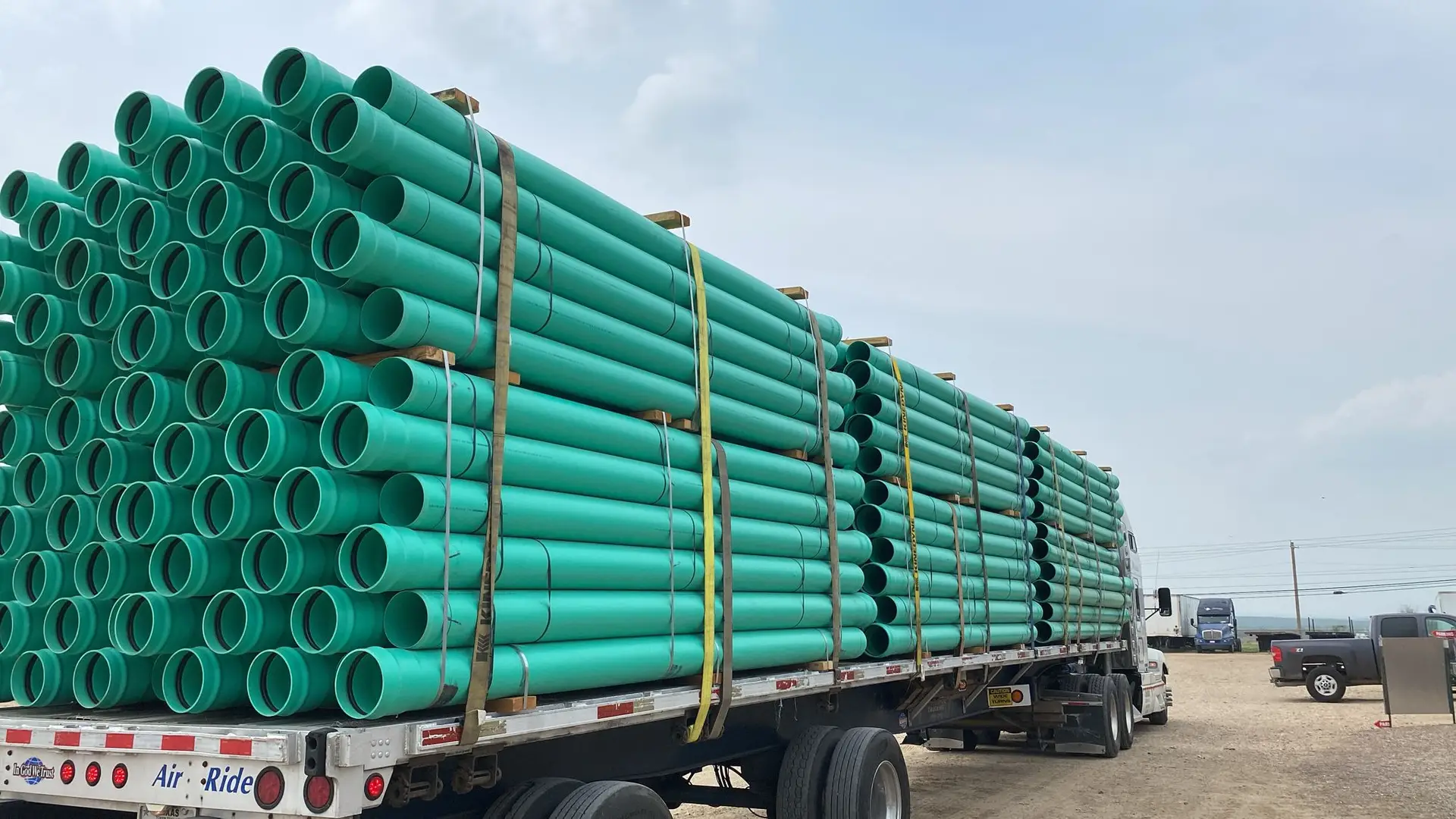
Working with a supplier who maintains broad inventory and regional delivery capabilities helps ensure that pipeline materials arrive on schedule, reducing downtime and keeping projects on budget. GP Distributors supports contractors in these logistics planning stages, helping match material delivery with jobsite needs.:contentReference[oaicite:7]{index=7}
8. Compliance and Standards in Pipeline Design
PVC and HDPE pipes must meet ASTM, AWWA, and other industry standards to ensure performance and safety. Engineers and contractors should:
- Verify pipe certifications and compliance documents
- Confirm suitability for intended applications (e.g., potable water, sewer, industrial)
- Ensure fittings and accessories match system requirements
Using properly certified materials reduces liability, ensures system integrity, and often simplifies permitting processes with municipalities and governing agencies.
9. Installation Best Practices for Longevity
Even the best materials can fail without correct installation. Critical best practices include:
- Proper trench excavation and bedding
- Correct joint assembly and inspection
- Allowance for thermal expansion and contraction
- Testing for leaks before backfilling
Following best practices minimizes callbacks, reduces leakage risks, and improves long-term performance.
10. Maintenance, Monitoring, and Future Expansion
Plastic pipelines are designed for long service life, but monitoring remains important — especially in large, complex systems. Periodic inspection of pressure performance, joint conditions, and signs of soil movement helps catch issues early.
Additionally, smart design considers future expansion. Engineers often plan for branch connections or capacity upgrades, ensuring that systems can evolve without major disruption.
Why GP Distributors USA Is Your Pipeline Partner
GP Distributors USA goes beyond supplying materials — we provide guidance, technical support, and a reliable supply chain to help contractors and engineers make confident decisions. With a robust inventory of PVC and HDPE pipes and fittings, competitive pricing, and delivery across Texas and neighboring states, we’re positioned to support projects of all scales.:contentReference[oaicite:8]{index=8}
Whether you’re specifying pipe for underground drainage, municipal water, industrial fluid conveyance, or irrigation, our experts can help you choose the right product, understand pressure ratings, and plan installation best practices that deliver long-lasting performance.
Partner with GP Distributors USA and take the guesswork out of pipeline design, material selection, and supply logistics.
Helpful Resources: